

Learning a new language can feel overwhelming, but if you want to learn Japanese from zero, you’re starting an exciting and rewarding journey. Whether you’re planning a trip to Japan, love anime, or want to boost your career, Japanese offers both challenge and opportunity.
In this complete beginner’s guide, you’ll discover exactly how to start learning Japanese from scratch, including the writing system, essential vocabulary, and proven study methods that actually work.
Japanese is one of the most fascinating languages in the world. It combines unique writing systems, rich culture, and a completely different sentence structure compared to English.
Here’s why many beginners choose to learn Japanese:
To better understand how the language works, you can explore this overview of the Japanese language system on
https://www.britannica.com/topic/Japanese-language, which explains its structure and scripts.
One of the first steps to learning Japanese from zero is understanding its three writing systems:
Example: こんにちは (konnichiwa – hello)
Example: コーヒー (kōhī – coffee)
Example: 水 (mizu – water)
Tips: Start with hiragana first, then katakana, and slowly introduce kanji.
If you want real progress, follow this structured approach:
Spend your first 2–3 weeks focusing only on reading and writing basic characters.
Best practices:
Step 2: Learn Basic Vocabulary
Start with essential daily words:
Example beginner words:
Step 3: Understand Basic Grammar
Japanese grammar is very different from English. The sentence structure is:
Subject + Object + Verb
Example:
Focus on:
Step 4: Start Speaking Early
Many beginners wait too long to speak—don’t make that mistake.
Practice by:
Even simple phrases build confidence quickly.
Step 5: Learn Kanji Gradually
Kanji can seem intimidating, but consistency is key.
Start with:
Learn 5–10 kanji per day, not more.
To effectively learn Japanese from zero, combine multiple learning methods:
Consistency beats intensity.
Example schedule:
Instead of memorizing random words:
Reading alone is not enough.
Try:
Self-study can be slow without guidance. A structured program helps you:
You can explore professional language programs here:
https://lingua-learn.cl/virtual-language-training-chile/
Language and culture go hand in hand. Understanding Japanese culture will improve your communication skills.
For example:
To explore Japanese traditions and cultural insights, visit:
https://www.japan.go.jp/culture/
Knowing culture helps you avoid mistakes and sound more natural.
When trying to learn Japanese from zero, many learners fall into these traps:
Focus on basics first—don’t rush kanji.
Speaking is essential from day one.
Learn phrases, not just words.
Daily practice is more effective than long weekly sessions.
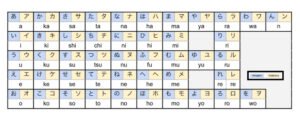
Hiragana Katakana
Here’s a simple roadmap:
By the end of 30 days, you’ll:
To accelerate your progress:
For a structured and guided learning experience, visit:
https://lingua-learn.cl/
It depends on your consistency. Basic conversation can take 3–6 months, while fluency may take 1–2 years.
Yes, but manageable with the right method. The writing system is the hardest part.
Start with hiragana, then katakana, and gradually learn kanji.
Yes, but a structured course will help you progress faster and avoid mistakes.
Aim for 10–20 words per day for steady progress.
If you truly want to learn Japanese from zero, the key is simple: start small, stay consistent, and practice daily. Focus on mastering the basics—hiragana, vocabulary, and simple grammar—before moving to advanced topics.
Japanese may seem complex at first, but with the right approach, it becomes much easier and even enjoyable.
Take your learning to the next level with expert guidance and structured lessons.
Join Lingua Learn today and start speaking Japanese with confidence:
https://lingua-learn.cl/
Don’t wait—your journey to mastering Japanese starts now!
 English
  Spanish